
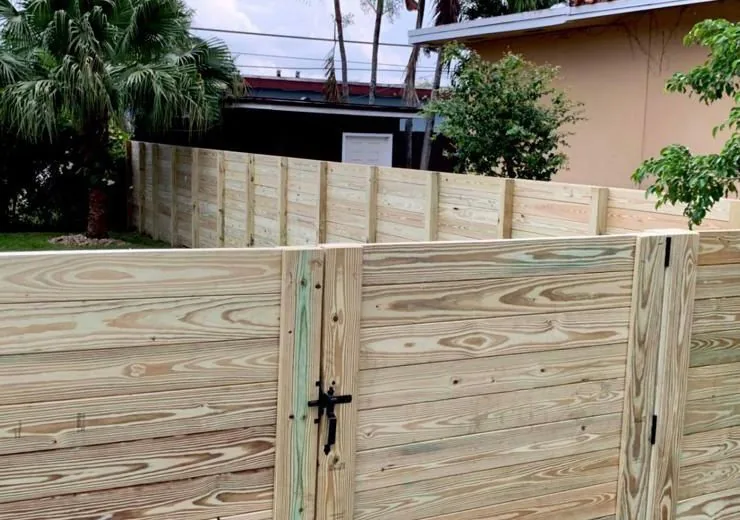
Start with the job the fence needs to do
It is tempting to begin a fence project by asking for a price per foot. That number can help describe one part of a job, but it rarely explains the whole project. A straight run of open fencing with easy access is a different installation from a privacy fence with several gates, old posts to remove, and a narrow side yard. Before comparing prices, write down what you want the fence to accomplish.
Your priorities may include privacy for a patio, a clearer property boundary, space for a pet, or a better-looking replacement for a worn fence. Rank those priorities instead of treating them as interchangeable. An open aluminum fence can preserve a view, while a solid vinyl or wood layout can create a more enclosed space. A useful estimate connects the proposed work to your goal. It should also make clear which questions still need to be answered before installation.
Length matters, but the layout matters too
Approximate length is useful when you first contact a fence company. You can describe the sides of the yard you want enclosed or share a simple sketch with measurements. Label those measurements as approximate. A final layout may need to account for the actual property boundaries, obstructions, changes in grade, and any applicable requirements. Do not use an existing fence as the only reference for where a new one belongs.
The shape of the layout also affects the work. Corners, short returns, and transitions to a building need details that a single total length does not capture. If two proposals use different layouts, they are not pricing exactly the same project. Ask for enough information to understand where the fence starts and stops, how tall each section will be, and where the gates sit. A clearly marked plan makes conversations about changes much easier.
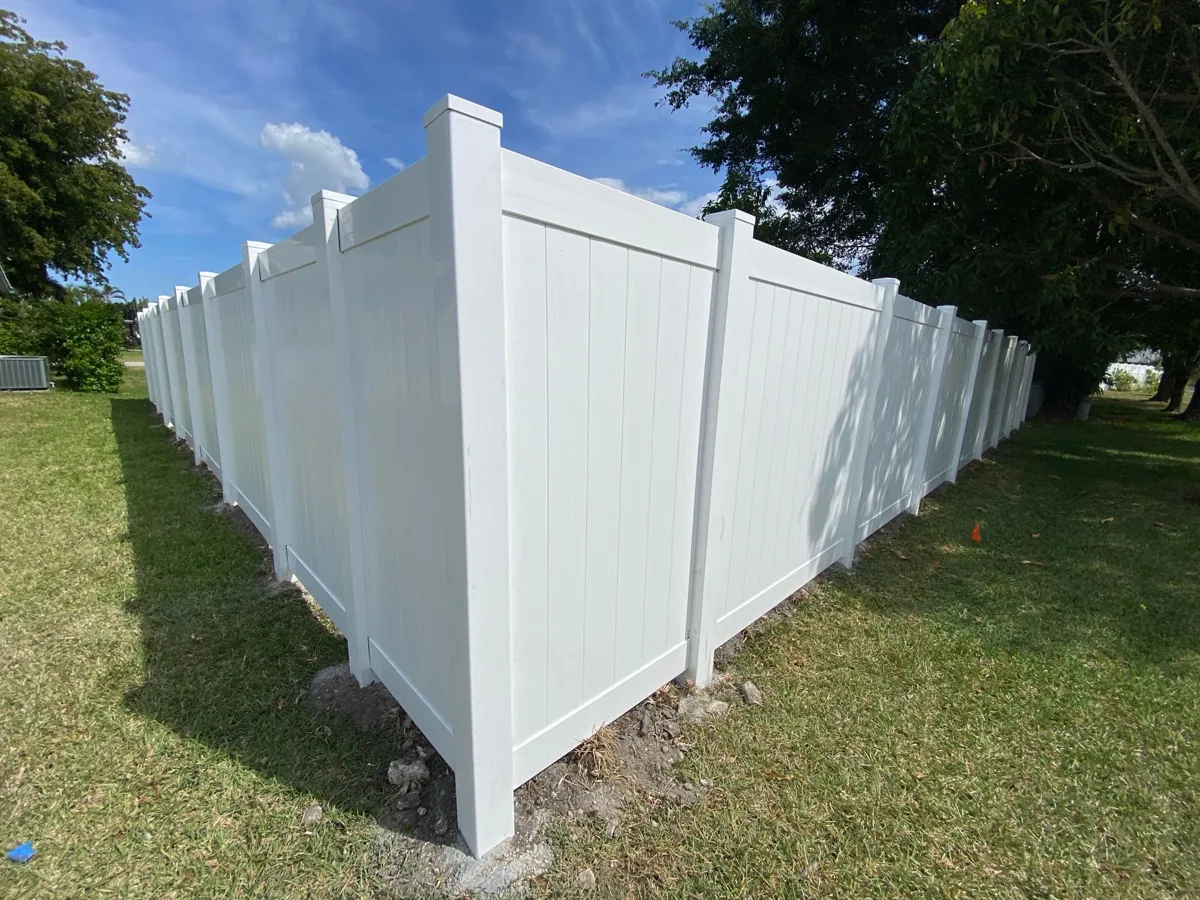
Compare complete material systems
Material choice affects appearance, construction, and care. Aluminum, vinyl, and wood each come in different configurations. Even within one category, two products can differ in profile, framing, finish, reinforcement, and installation method. A photo of a finished fence usually does not show all of those details. Ask what product or material specification is included instead of assuming that every fence with a similar appearance is equivalent.
Think beyond the day of installation. Wood may involve finishing and periodic upkeep that you want to budget for. Vinyl generally avoids routine repainting but still needs cleaning and inspection. Aluminum coatings and gate hardware need appropriate care as well. The right comparison is the system that suits your needs and the maintenance you are prepared to do. No material should be selected solely because someone describes it as maintenance-free or suitable for every property.
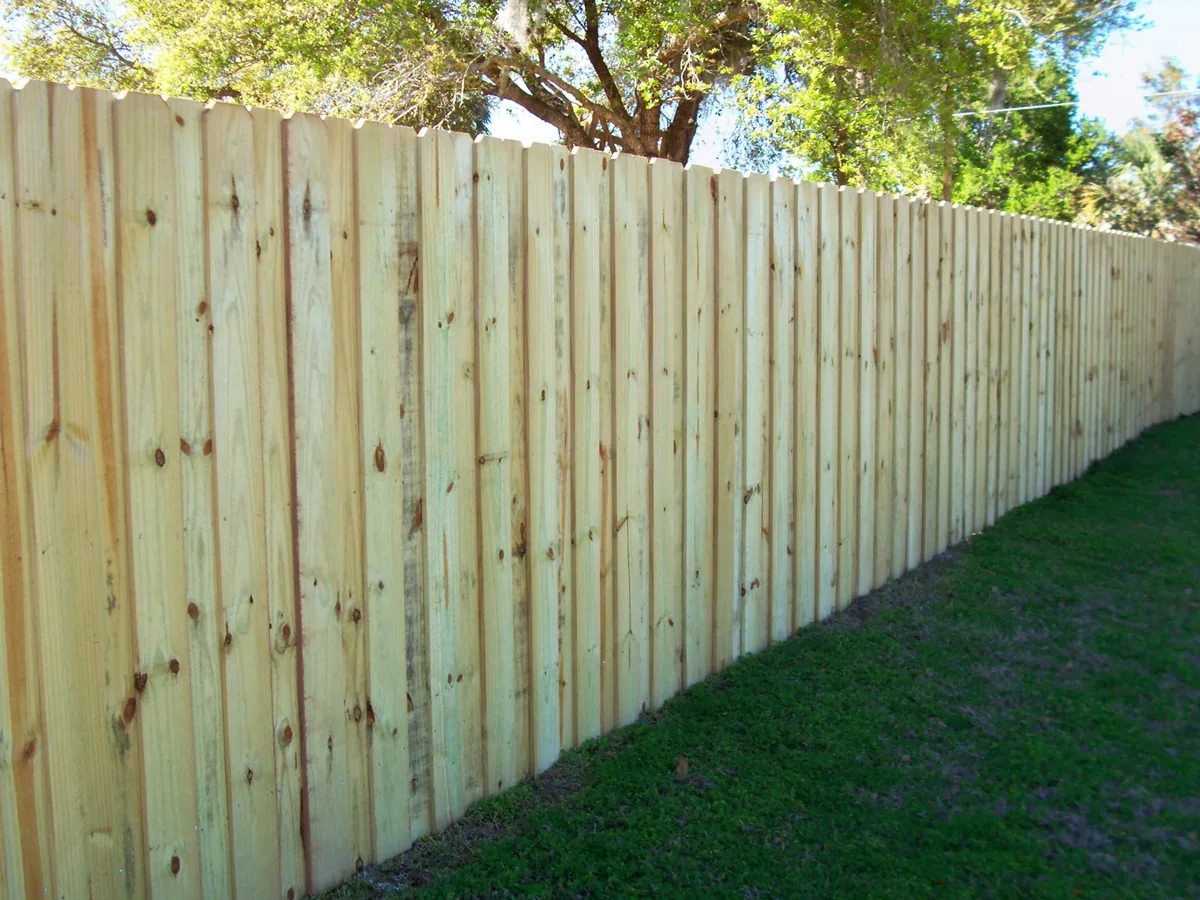
Gates are a separate design decision
A gate adds moving hardware and has to work repeatedly in the space available. Its width, configuration, supporting structure, latch, and direction of swing all affect the scope. Before choosing a gate, list what needs to pass through it. That might include a mower, trash bins, bicycles, or equipment used by a pool or landscape contractor. Regular access deserves more thought than an opening that will rarely be used.
Walk through that route in your yard. Look for changes in level, planting beds, walls, and equipment that could interfere with opening the gate. A wider opening can solve an access problem, but it may change the hardware and support needed. If a quote includes a different gate size or quantity, ask why. Keeping gate requirements consistent is one of the simplest ways to make competing estimates more useful.
Removal and site access can change the scope
A replacement project includes decisions about the old fence as well as the new one. Confirm whether removal and disposal are included, what happens to existing posts, and whether any materials will be left for the owner. Share photos of damaged sections and the ground around them. Conditions below the surface cannot always be confirmed from photos, so ask how unexpected work would be discussed and approved.
Access matters throughout the job. A narrow passage, occupied commercial property, or yard with extensive planting can affect how materials reach the fence line and how the work is organized. Tell the estimator about scheduled deliveries, tenants, pets, irrigation controls, and equipment that needs to remain accessible. These details help define the work clearly. They are also more useful early in the process than after materials have been delivered.
Allow for approvals and the information they need
Permit and association requirements depend on the property and proposed work. The cost conversation should identify who will check the requirements, prepare documents, submit applications, and handle any fees. A property survey or product documentation may be relevant. Avoid treating the installation date as fixed while those questions remain unresolved, and do not assume a replacement is exempt simply because a fence already exists.
For properties within the City of Boca Raton, the city publishes residential permit resources that include fence and site-wall information. Use the current official guidance for the property rather than relying on a neighbor’s past project. Association review can be a separate step from public permitting. Ask the person preparing your estimate to explain what is included in their scope and what documents or decisions they need from you.
Read the estimate as a description of the finished job
A useful written scope should let you picture the completed fence. Check the material, height, approximate layout, gate details, removal, and any finishing work. Review payment terms and the way changes will be handled. If a warranty is offered, ask for its written terms and distinguish material coverage from installation coverage. A verbal phrase such as “covered” is not enough to explain exclusions or responsibilities.
When a proposal costs less, first look for differences in scope. One may exclude disposal, use a different style, or include fewer gates. That does not automatically make either proposal wrong, but it does mean you need more information before deciding. Ask for clarification in writing. The goal is a clear agreement about the work, not a document so full of assumptions that every detail becomes a separate conversation later.
Prepare for a more useful first estimate
Gather a few photos, your project address, a rough layout, and any survey or association guidance you already have. Explain your preferred material and what matters most if you are still deciding. You do not need a complete design to begin; the purpose of the estimate conversation is to turn an initial idea into a practical scope. Keep questions about care, gates, and approvals alongside questions about price.
Azure Fence can discuss aluminum, PVC / vinyl, and wood fencing for your South Florida property. Request a free estimate and share the details you have. We will review the proposed work and explain the items that need to be settled before scheduling. That gives you a better basis for making a decision than a generic price that cannot account for your yard.
Explore aluminum, PVC / vinyl, and wood fencing, or see our project gallery for real examples. Planning in Boca Raton? Our local guide can help you prepare.
Get a Free EstimateHelpful official resources
Use current guidance from the authority responsible for your property.