A natural fit for an outdoor room
Wood can make a property boundary feel like part of the garden. Its grain, tone, and texture bring warmth beside paving, planting, and painted exterior walls. Whether you prefer a familiar vertical arrangement or the long lines of a horizontal design, the layout should reflect the way you want the space to feel. Azure Fence helps you consider appearance alongside privacy, access, and ongoing care.
A photograph is a helpful starting point, but it cannot tell the whole story of a wood fence. Board size, spacing, framing, post placement, and finish all influence the result. Even boards of the same species can vary in color and grain. That variation is part of choosing a natural material, and it is useful to discuss it before comparing wood with the more uniform appearance of vinyl.
Choose the layout, then work through the details
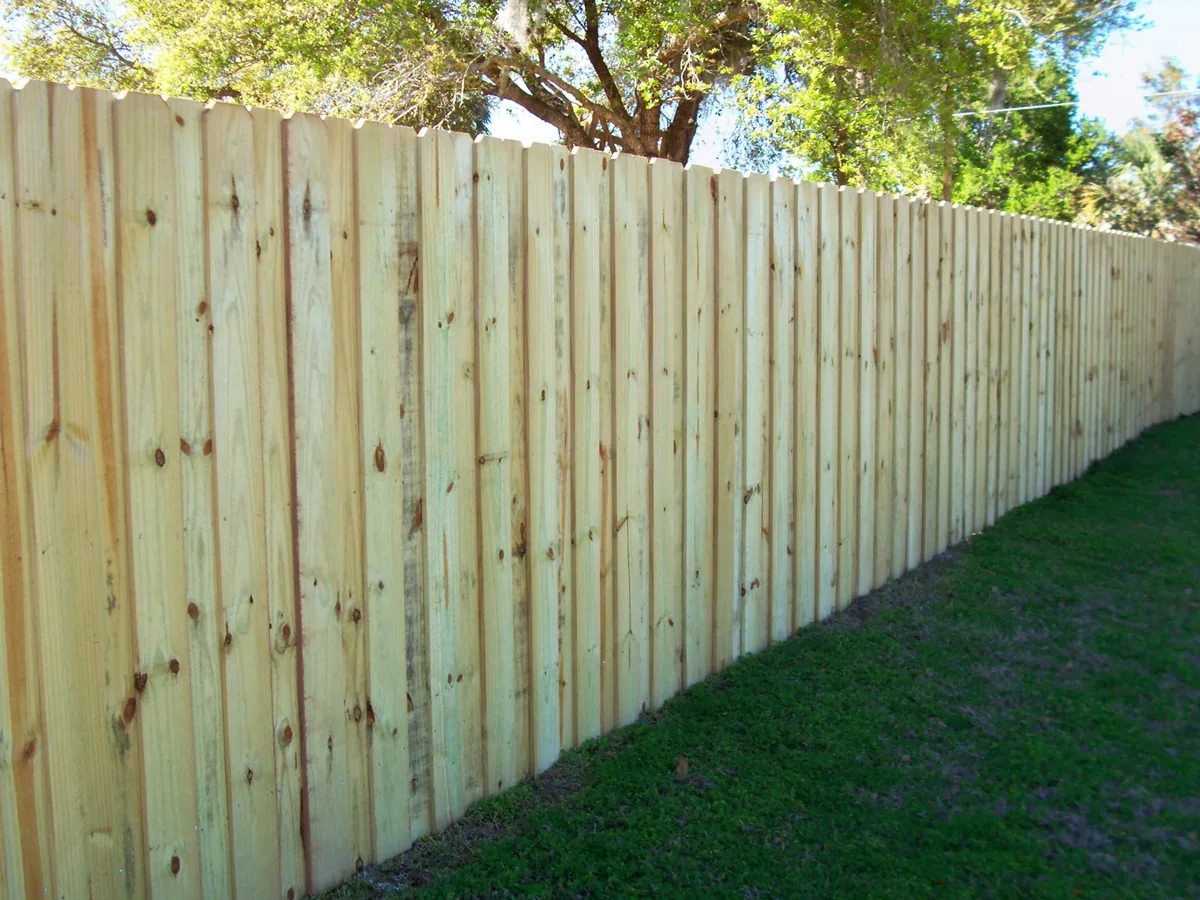
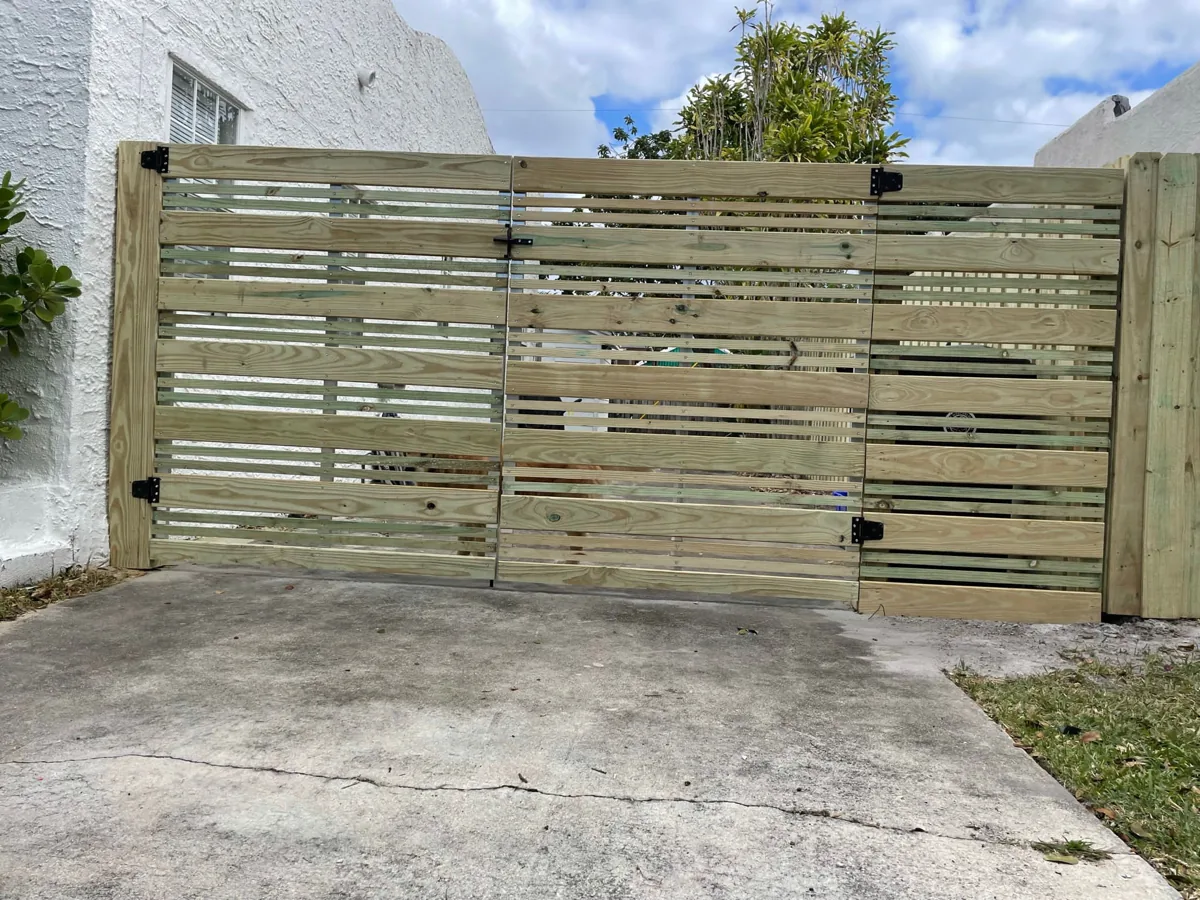
Vertical boards can create a familiar residential boundary, while horizontal arrangements draw the eye along a garden. The amount of privacy depends on spacing, overlap, viewing angle, and how the wood changes after installation. If blocking a particular view is your main goal, tell us where that view starts: a patio chair, a kitchen window, or a neighboring walkway. A clear goal is more useful than simply asking for the tallest fence.
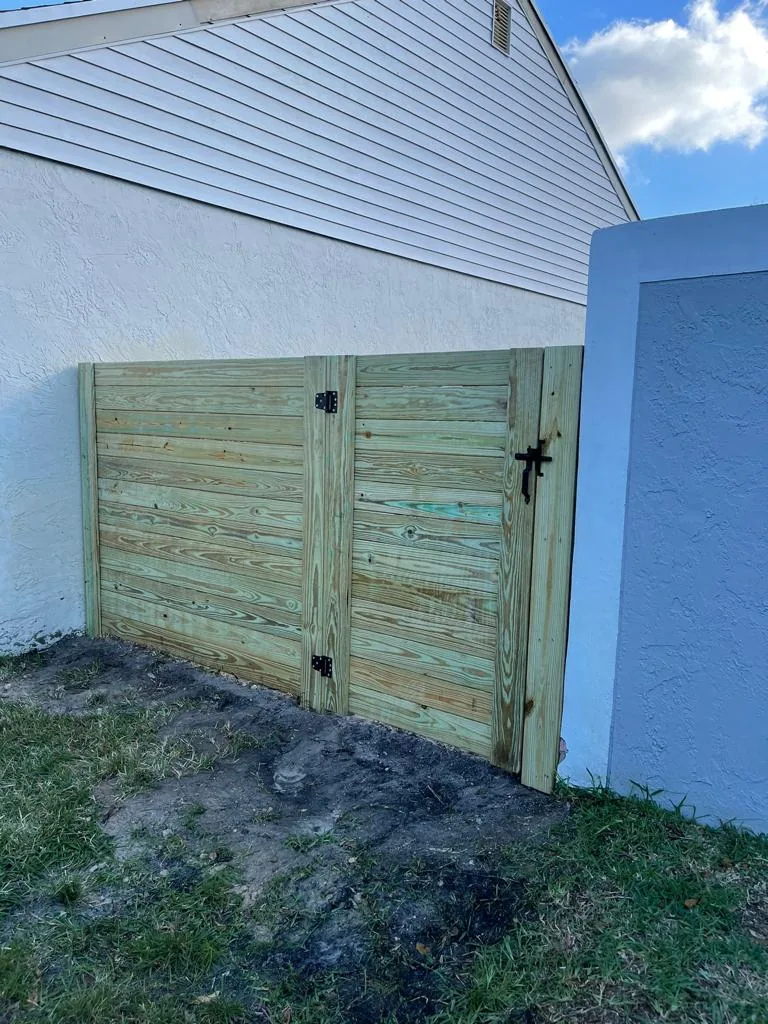
Consider what each side of the fence will look like. Framing and posts may be more visible from one side, and a gate needs its own support and hardware. Where association or local requirements affect the appearance, include those documents in your planning. The right layout should make sense for your property as a whole, including the view from adjoining spaces and the street.
Plan for wood to change over time
Wood responds to moisture and weather. Color changes, small checks, and some movement can occur as it dries and ages. The extent depends on the material, exposure, and care. Ask what lumber is proposed and what changes are considered normal for that product. A freshly installed fence is not a promise that every board will retain an identical appearance indefinitely.
If you want a particular finish, discuss staining or sealing before the scope is finalized. Product selection, surface preparation, and appropriate drying conditions matter. Do not assume that a finish is included in installation or that newly installed lumber should be coated immediately. Follow the lumber and coating manufacturers’ guidance, and ask us to identify which finishing tasks are included and which are separate.
Make room for gates, drainage, and maintenance
Wood privacy fencing needs a practical plan at ground level. Soil, vegetation, and standing water against the boards can complicate maintenance. Walk the fence line and identify low spots, heavy irrigation spray, and places where mulch builds up. Ask how the proposed design addresses clearance and changes in grade. Keep drainage routes in mind rather than treating the fence as a retaining structure.
Gates deserve particular attention because they are moving parts in an otherwise fixed structure. Think about the width you need for equipment and which direction the opening should swing. A gate that starts dragging or no longer latches should be assessed before the problem is made worse by forcing it. Periodic inspection of boards, fasteners, posts, and hardware gives you a clearer picture of what needs care.
Build a clear scope before installation
The cost of a wood fence depends on more than the total length. Height, lumber selection, layout, gates, removal, access, and site conditions all contribute. Share approximate measurements and photos to begin the conversation, but expect the final scope to depend on a review of the property. If you have a survey, use it to inform the layout rather than assuming a previous fence was placed correctly.
We will discuss your priorities, material options, and the work involved in the proposed design. Confirm any approval requirements, the installation schedule, cleanup details, and written warranty terms during the estimate process. At the end of the project, walk the line and use the gates. Keep your scope and product information together so you have a useful reference for future maintenance, finishing, or repair questions.
Planning a project in Boca Raton or Coconut Creek? Share your address and we’ll discuss the next step.