A fence that belongs in the landscape
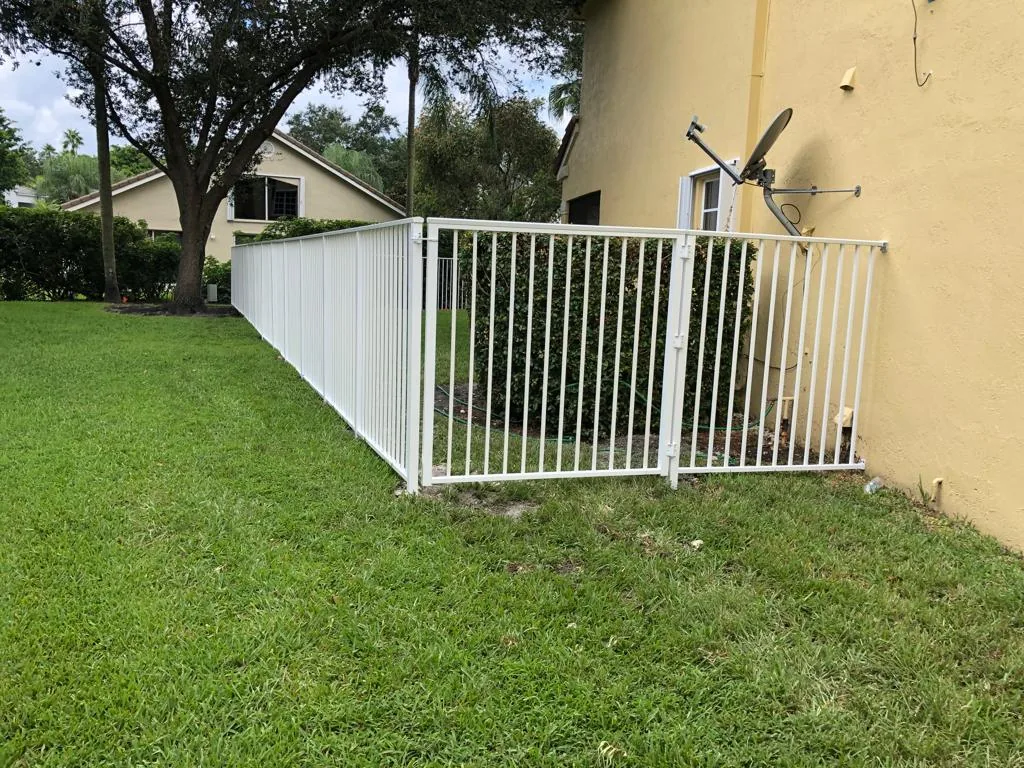
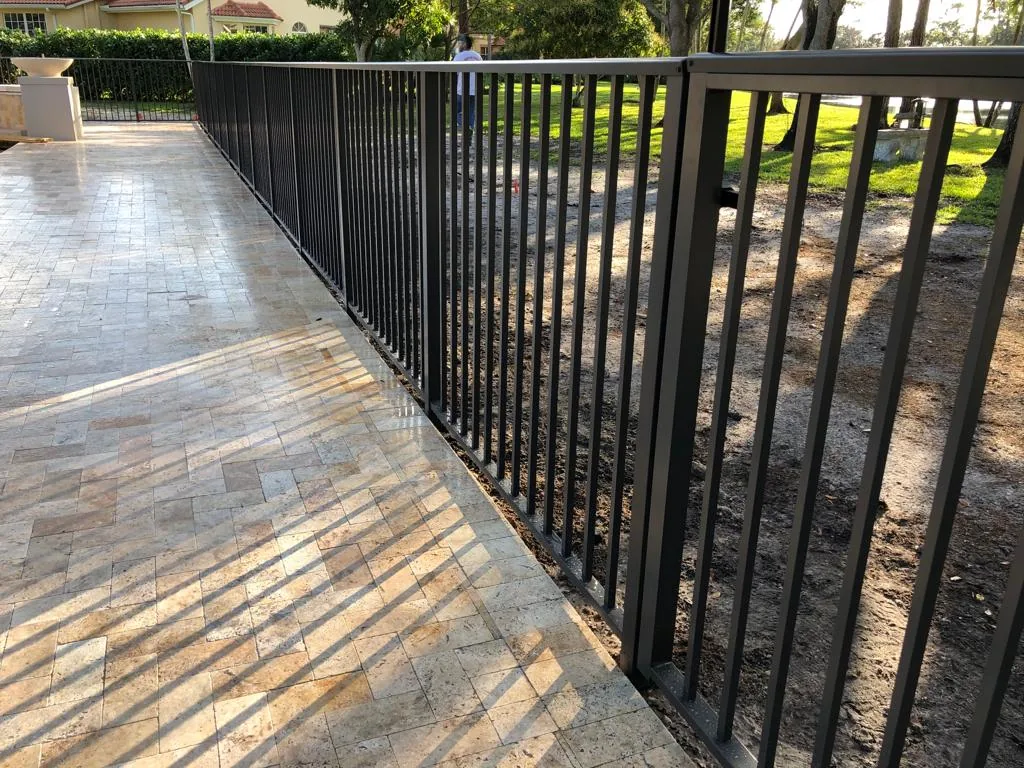
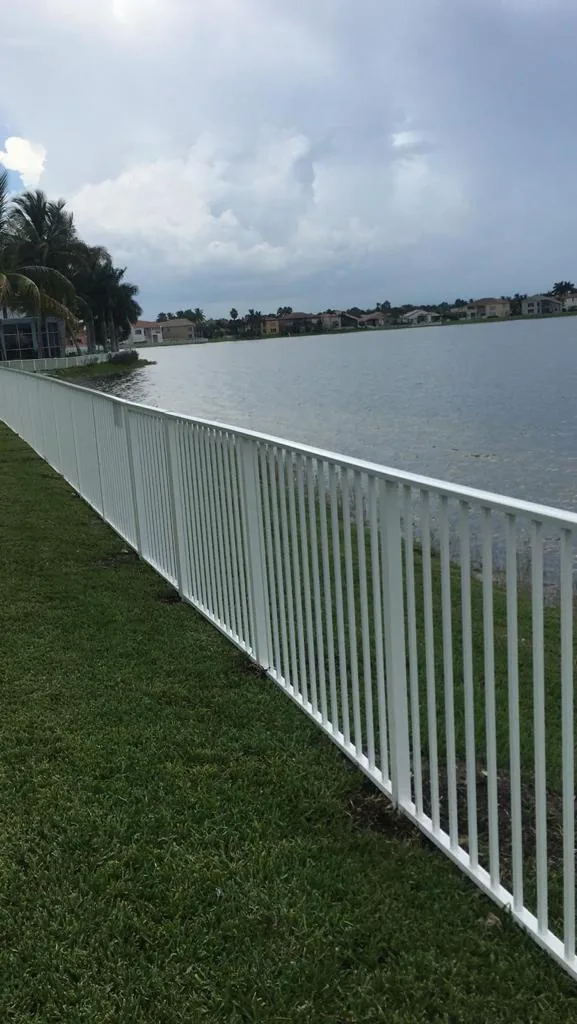
An aluminum fence defines a space while letting the landscape remain part of the view. Its slender pickets can complement a modern patio, frame a front garden, or separate a yard from an adjoining area. If you want a visible boundary without the enclosed feeling of solid panels, this is a useful starting point. Azure Fence helps homeowners and property managers consider how an open fence will work with the way a property is actually used.
Start with the purpose of the enclosure. A decorative boundary, a space for a pet, and a fence near a swimming pool involve different decisions. The same appearance does not mean the same performance. We can discuss the intended use, openings, gates, and layout during an estimate, so the proposed system responds to your priorities rather than simply following a photograph.
Plan the openings as carefully as the fence
A good layout accounts for more than the straight sections. Think about the route from the driveway to the back yard, where lawn equipment enters, and how you reach air-conditioning equipment or other service areas. A gate that looks proportionate on a drawing may still be inconvenient if it opens toward landscaping or leaves too little room for regular access. Bring these details to the initial conversation.
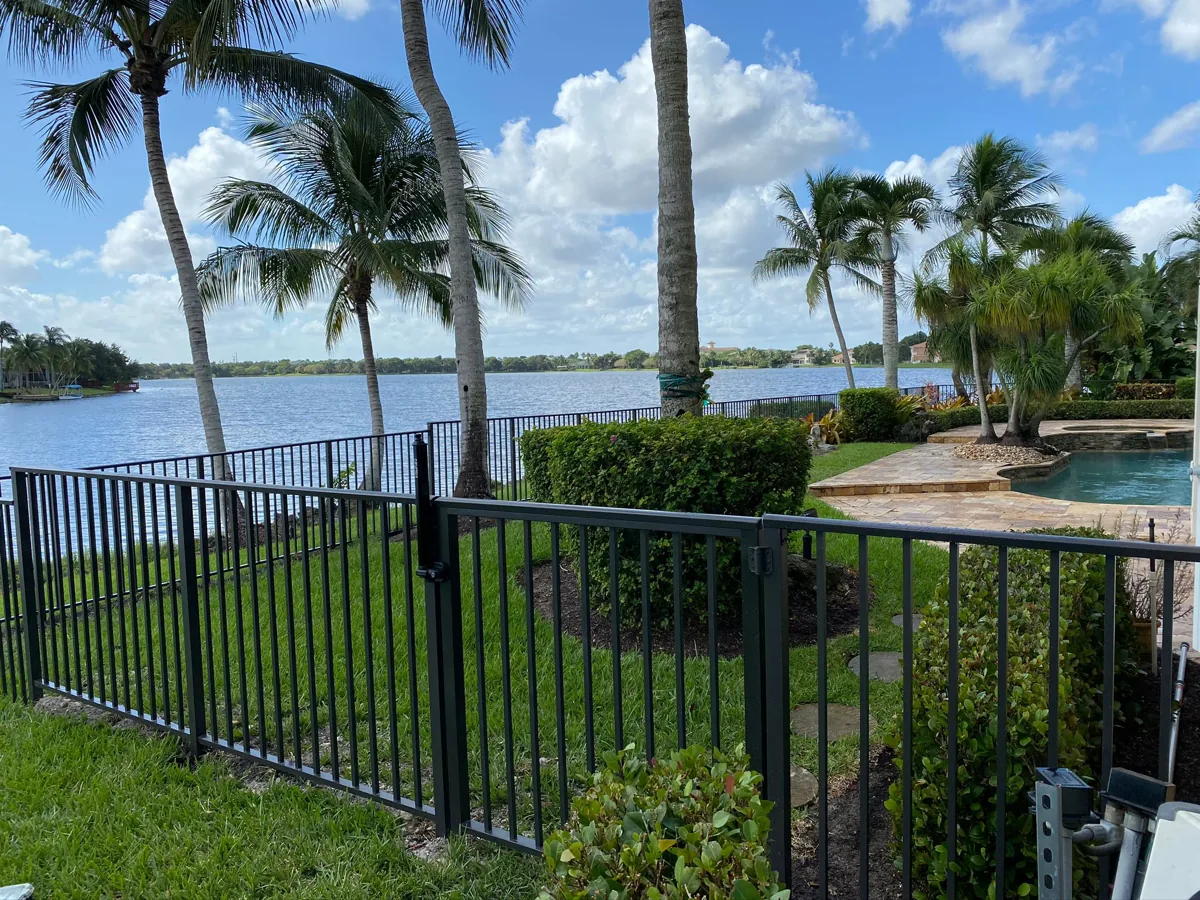
Tell us about any pets, children, or specific access concerns. Picket spacing, clearance below the fence, latch placement, and the direction of gate travel all deserve attention. A fence intended to serve as part of a pool barrier needs a review of the applicable requirements; an attractive aluminum fence is not automatically a compliant pool enclosure. Confirm the proposed specification and approval process before construction.
Choose a finish with the setting in mind
Dark finishes can visually recede against planting and water, while lighter colors may coordinate with a home’s trim. Consider the fence from inside your home as well as from the street. The profile of the top rail and the rhythm of the pickets affect how formal or understated the result feels. We will explain which styles and finishes are available for your project when we prepare the estimate.
Aluminum does not rust in the same way as iron, but that does not make an installed system maintenance-free. Coatings, fasteners, hinges, and latches still need appropriate care. Coastal exposure, irrigation, and nearby vegetation can influence maintenance needs. Ask about the actual product’s care instructions, compatible hardware, and any written manufacturer warranty before making your selection.
What your estimate should cover
Fence length and height are only the beginning of the scope. The number and size of gates, removal of an existing fence, access for installation, and changes in grade can all affect the work. Provide a survey if you have one, along with a few photographs showing both ends of the proposed fence line. Approximate measurements help start the discussion, but they do not replace a site review.
We will discuss your layout, material preferences, and the items that need to be resolved before an installation date is agreed. Ask us to explain permits, association approvals, warranty terms, and what is included in the written scope. Do not assume an existing fence marks the legal property line or that a replacement can automatically use the same height and location.
From first conversation to everyday use
First, share your address and what you want the fence to accomplish. Next, review the proposed layout and product options with us. Once the scope and any necessary approvals are settled, installation can be scheduled around the agreed plan. At completion, walk the fence line and operate each gate so any questions about access, alignment, and care can be addressed.
After installation, keep plants from pressing against the panels and periodically check that gates move and latch as intended. Follow the manufacturer’s cleaning guidance instead of experimenting with abrasive products. If a section is damaged or a gate begins to bind, ask for an assessment before forcing it or altering the hardware. Simple attention to everyday operation can help you catch a problem while it is still easy to describe.
Planning a project in Boca Raton or Coconut Creek? Share your address and we’ll discuss the next step.