
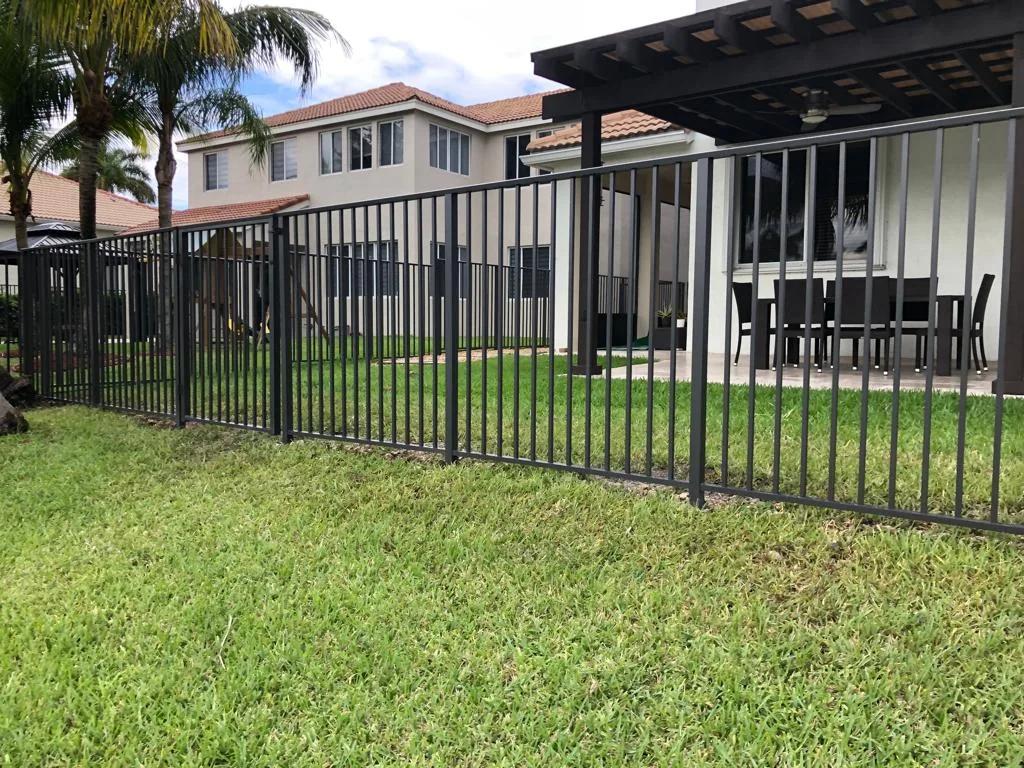
Good preparation starts before a date is set
A fence project becomes much easier to understand when the early decisions are made in a sensible order. The material is important, but so are the property line, the gates, access to the work area, and the approvals that apply to the address. You do not need to solve every technical detail before asking for an estimate. You do need a clear picture of your goals and a place to collect the information that will shape the scope.
Start a simple project folder. Keep photos, a rough sketch, your survey if available, and notes about what you want to change. Add estimate revisions and written decisions as the conversation develops. This helps everyone work from the same plan. It also makes it easier to identify whether a later request is already included or changes the agreed work.
Describe the boundary you actually need
Walk the property and think about how you move through it. Mark where the fence would begin and end, where a gate would be useful, and which areas need to remain accessible. Consider maintenance equipment as well as daily foot traffic. Take wide photos that show the surroundings, then closer pictures of obstructions or damaged sections. A close-up alone may not explain where a problem sits in the overall layout.
Write down the reason for each part of the project. Privacy beside a patio may call for a different design from an open boundary near a view. A pet area or a pool-related enclosure needs specific attention to openings and gate details. Describing the purpose helps an estimator ask useful follow-up questions. It also helps you avoid paying for a design that looks right in a photograph but does not meet your everyday needs.
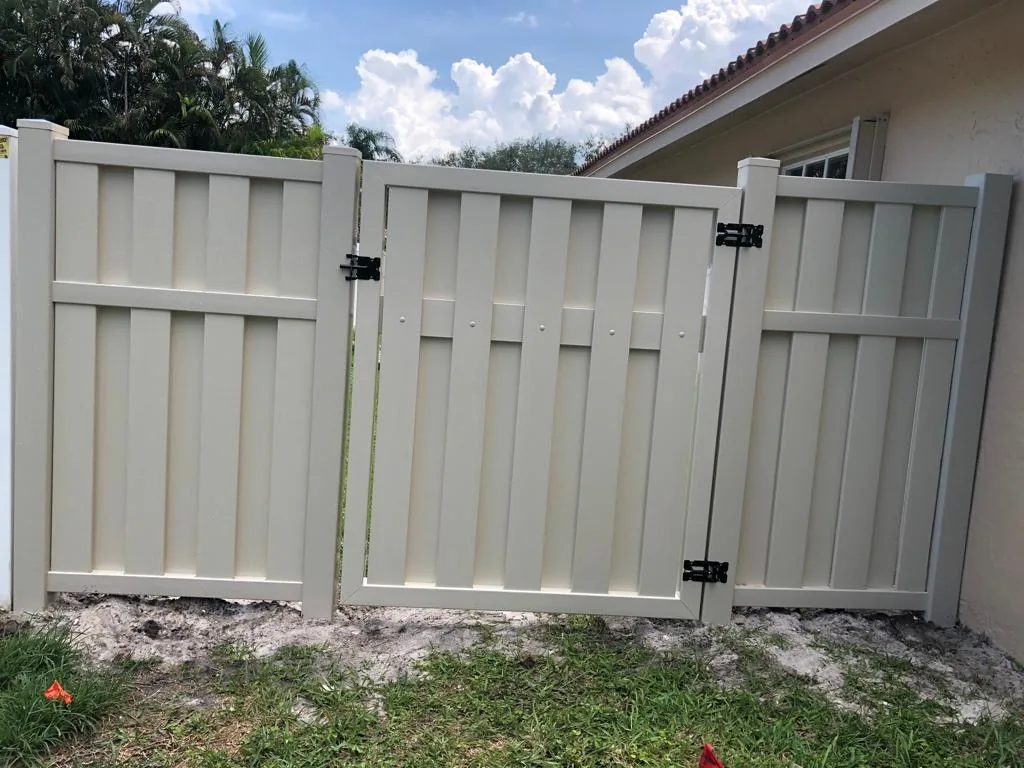
Find the survey and confirm the property jurisdiction
An existing fence, hedge, or mowing line should not be treated as proof of a legal boundary. If you have a property survey, share it early and ask whether additional information is needed. Easements, rights of way, and other recorded conditions may affect where work can be proposed. Do not settle a boundary disagreement by simply agreeing to follow an old fence line; obtain the appropriate professional guidance when the location is uncertain.
A mailing address is a starting point, not a complete permitting answer. Confirm the authority that governs the actual parcel before following an application checklist. For a property within the City of Boca Raton, begin with the city’s current permit resources. For another jurisdiction, use that authority’s guidance. Asking this question early helps prevent a plan from being developed around requirements that do not apply to the property.
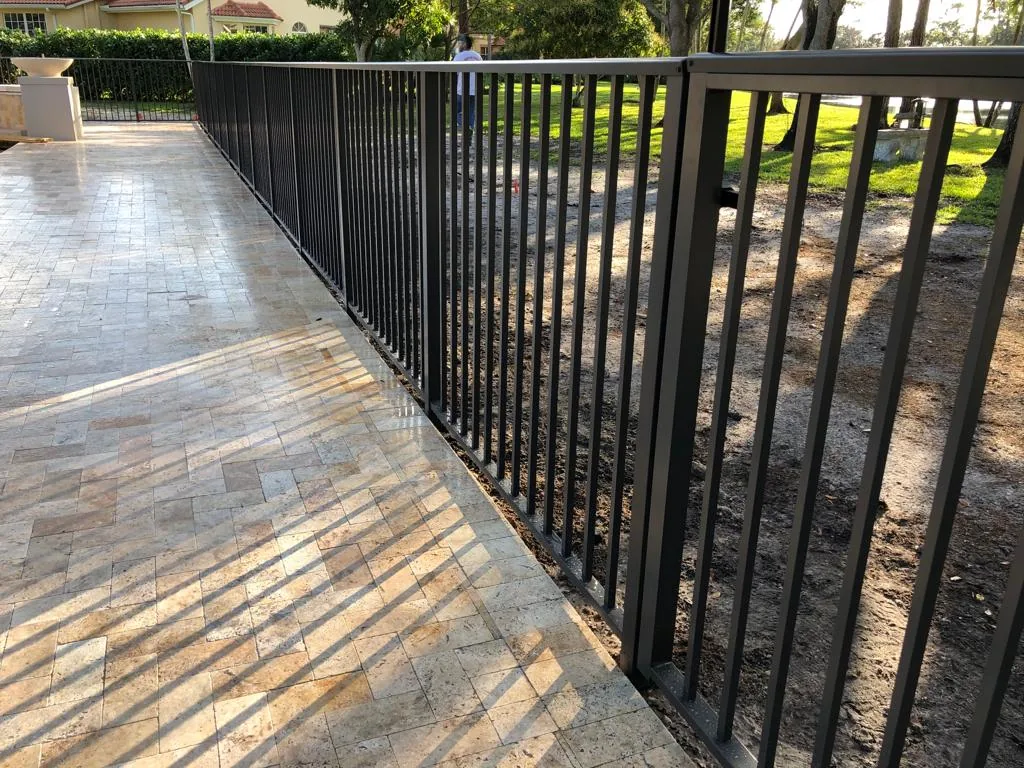
Keep association approval and permitting distinct
If your property is part of an association, collect its current fence rules and submission instructions. It may ask for a drawing, material details, color information, or other documents. Confirm the review process and ask how changes after approval should be handled. A design that you have seen nearby is useful inspiration, but it does not establish what will be accepted for your own property today.
Public permitting and private association review are separate issues. Do not assume that completing one automatically completes the other. During the estimate process, clarify who prepares and submits each item, who pays applicable fees, and what information the owner must supply. The City of Boca Raton publishes a fence, wall, and gate addendum that addresses placement and related owner acknowledgments. Review current official documents with the people responsible for your project rather than relying on a general online summary.
Plan utility coordination before digging
Fence posts involve excavation, so underground utilities need attention before installation. Sunshine 811 provides Florida’s utility-location request resources and guidance for digging projects. Confirm who will arrange the appropriate locate request and how the team will know the necessary responses have been addressed before work begins. Do not remove markings or assume that the absence of a visible line on the surface means the ground is clear.
Tell the installer about irrigation, landscape lighting, private electrical lines, and other systems you know about. Ask how privately installed facilities will be identified; not every buried item is necessarily covered by the same locating process. Share available drawings or records rather than relying on memory alone. The point is to get the right information to the people doing the work before excavation, when it can still influence the plan.
Agree on access and the condition of the work area
Discuss how materials and workers will reach the fence line. Identify locked gates, narrow passages, parking constraints, and areas that need particular care. If the property is occupied by tenants or used for business, decide how access and notices will be coordinated. These details belong in the planning conversation because they can affect the sequence of work and how the site is kept usable.
Move portable furniture, toys, and other belongings from the agreed work area when asked. Discuss planting or irrigation changes before removing anything yourself. Make a plan for pets and children during construction, especially if an existing enclosure will be taken down. Do not assume the yard will remain secure throughout the work. If temporary arrangements are needed, confirm who will provide them and whether they are included in the scope.
Review the written scope before scheduling
Before agreeing to an installation schedule, make sure the scope describes the material, layout, height, gates, and removal work clearly. Ask about cleanup, disposal, finishing, and any inspections or closeout steps. Review payment terms and how changes will be approved. If you have a deadline for a move, gathering, or another contractor’s work, explain it early and ask what can realistically be confirmed.
Material availability, approval progress, site conditions, and weather can affect timing. A useful schedule conversation separates a proposed date from a confirmed commitment and explains what still needs to happen. Ask for the written warranty terms that apply to the selected product and installation. Keep those details with the estimate so there is a shared reference after the work is completed.
Make the final walkthrough practical
At the end of installation, walk the full fence line and operate every gate. Look at the result from the areas you use most. Ask how to clean and care for the material, what changes may be normal as it ages, and whom to contact with a concern. If something needs follow-up, describe it clearly and keep a written note of the agreed next step rather than relying on an informal conversation.
Keep the final scope, product details, care instructions, and applicable warranty information together. These records help with future questions and any repair assessment. Ready to begin the planning stage? Contact Azure Fence with your address, preferred material, and a few photos. A free estimate is an opportunity to discuss the project, identify missing information, and turn an initial idea into a clearer next step.
Explore aluminum, PVC / vinyl, and wood fencing, or see our project gallery for real examples. Planning in Boca Raton? Our local guide can help you prepare.
Get a Free EstimateHelpful official resources
Use current guidance from the authority responsible for your property.